

Dentures – Whitinsville, MA
Customized Full Smile Replacement Solutions
Are you missing some, most, or all of your teeth? If so, we’re glad you found us! At Whitinsville Family Dentistry, we offer different types of dentures to replace teeth and restore confidence. Dr. Tubo and the rest of our team will get to know your needs to ensure you get the best results. We can’t wait to help you smile with health and happiness thanks to our dentures in Whitinsville.
Why Choose Whitinsville Family Dentistry for Dentures?
- Friendly, Caring Team of Experts
- Comfortable & Hi-Tech Office
- Flexible Payment Options Available
Who’s a Good Candidate for Dentures?

We offer various denture options to replace any pattern of missing teeth. Most individuals who have suffered moderate to extensive tooth loss are candidates for full or partial dentures. The only way to know for sure is to schedule a consultation . Any necessary preliminary treatments like gum disease therapy or tooth extractions must be completed before you can get dentures. If you’re missing a single tooth, or a few teeth consecutively, we may advise you to choose dental implants or dental bridges for the best results. Learn more about your eligibility by reading the information below!
Effects of Missing Teeth
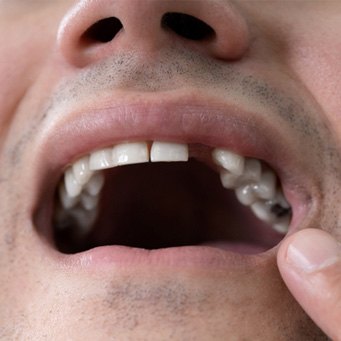
Tooth loss can occur for several different reasons. According to the American College of Prosthodontists, some of the most common causes include tooth decay, gum disease, and physical trauma. If you fail to replace these gaps in your smile, you can increase your chances of several complications, including:
- Facial Sagging – Without teeth, your facial muscles are left unsupported, causing your cheeks to appear sunken in and your lips to wrinkle. This can leave you looking much older than you are!
- Difficulty Speaking – Missing teeth can make it difficult for you to enunciate your words and negatively affect your communication.
- Trouble Eating – Being unable to chew harder foods will cause you to miss out on essential vitamins and minerals.
- Lower Self-Confidence – As you can imagine, having gaps in your smile can affect your self-confidence, which can impact your social and work life.
What Qualifies You for Dentures?
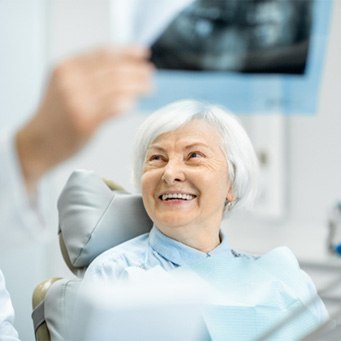
If you’ve experienced significant tooth loss or have sustained lots of damage to your teeth, you may be eligible for dentures. The only requirement for wearing dentures is having a commitment to your oral hygiene routine. For successful treatment, you must care for your restoration and smile.
The number of teeth you’re missing will determine which type of denture is best for your unique situation. Regardless, dentures are more affordable than other methods, which is why they’re ideal for patients on a budget.
Alternative Tooth-Replacement Options
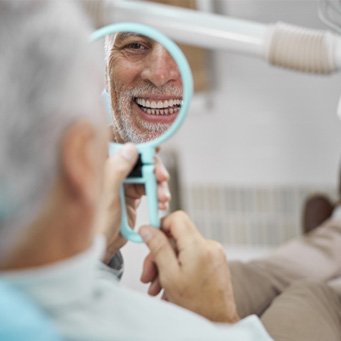
Not a good candidate for dentures? Don’t worry – you can explore other tooth replacement options! Some of those available solutions are:
- Dental Bridges – This is ideal for patients who are only missing one or more teeth. As the name entails, a dental bridge “bridges” the gap where you are missing your tooth.
- Dental Implants – For more stability, you can opt for a dental implant. The titanium post is inserted into the jawbone and a customized restoration is placed on top to complete your smile. Keep in mind that if you want to opt for implants, you are required to have sufficient jawbone tissue.
Types of Dentures

Dr. Jason Tubo, an experienced dentist in Whitinsville, provides 3 different types of dentures to meet the needs of a wide range of patients. Thanks to the latest technology, these prosthetics are more comfortable and lifelike than ever before. After a consultation, Dr. Tubo will recommend one of the following treatments:
Partial Dentures
Partial dentures are perfect if you’ve lost multiple teeth throughout your smile. We custom-make our partial dentures to fill in the gaps like missing pieces in a puzzle. The base is made of acrylic attached to artificial teeth, and the prosthesis is held in place with wires that use the natural parts of your smile for support.
Full Dentures
If you’ve lost all or most of your teeth, a full denture will restore the look and feel of your smile. It’s made up of a gum-colored base attached to prosthetic teeth. Instead of using wires, full dentures rest on top of your gums, being held in place with natural suction or denture adhesive.
Implant Dentures
Implant dentures combine the best of both worlds to give you a stable, strong, and lifelike smile. Using an average of 4 to 6 dental implants, we can anchor your denture directly to your jawbone instead of relying on suction for stability. The result is a smile that allows you to chew, speak, and grin with total confidence. The best part is that Dr. Tubo offers the entire treatment at the same convenient location.
The Benefits of Dentures

The loss of multiple teeth can make many daily tasks like eating, speaking, and smiling much more complicated, but dentures can be a great way to restore the function and appearance of your grin. Here’s a quick look at a few of the many benefits of replacing your lost teeth with gorgeous dentures from Whitinsville Family Dentistry.
Psychological Benefits

People who have lost all their teeth are often shy about showing their smiles, which can make it hard to engage socially and set a person up for sadness, isolation, and depression. Restoring your grin with dentures can enhance your self-esteem by improving the appearance of your teeth as well as your ability to speak and chew.
Clearer Enunciation

The loss of many teeth can make it difficult to pronounce many of the sounds that make up words. Thankfully, dentures act in the place of a person’s missing teeth, allowing them to form words easily and naturally. After you have a little time to get used to speaking while wearing your dentures, you should find that speaking clearly becomes simple and intuitive.
Improves Nutrition

Tooth loss can make it difficult to chew many healthy foods like fresh meat, raw fruits and vegetables, and crunchy nuts and seeds, and it can also set a patient up for health problems like indigestion and malnutrition. Dentures can restore much of your lost chewing power, which will make it much easier to enjoy the tasty and diverse diet the body needs to stay strong and healthy.
Preserves Oral Health

Losing teeth can increase a person’s risk of oral health issues like gum injuries, dental drift, grinding, uneven enamel wear, and further tooth loss. Dentures can help support your remaining teeth to prevent them from shifting out of place and preserve your enamel while sheltering your gums from food debris.
Expands Opportunities

Your smile is one of the first things others notice when they first meet you, so having a grin you can be proud of can make it much easier to leave a favorable first impression. People who smile easily are often seen as more confident, trustworthy, and approachable than those who do not, and this can make it easier for them to meet people, establish rapport, win friends, and close sales. Improving your oral health with dentures may even help you stand out from the competition when being considered for a new job or a promotion.
Understanding the Cost of Dentures
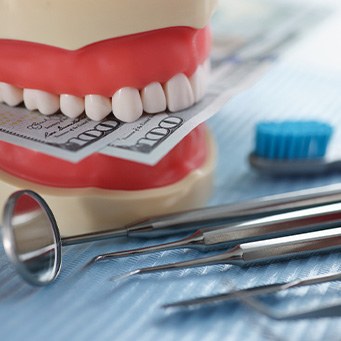
Dentures are often one of the more cost-effective ways to rebuild smiles after tooth loss, but it’s natural to wonder whether you’ll be able to afford a quality restoration. Our team is happy to provide a detailed estimate after your initial consultation and examination so you know what to expect.
Continue reading to learn more about how the cost of dentures is determined and how our practice helps make treatments affordable!
Factors That Affect the Cost of Dentures
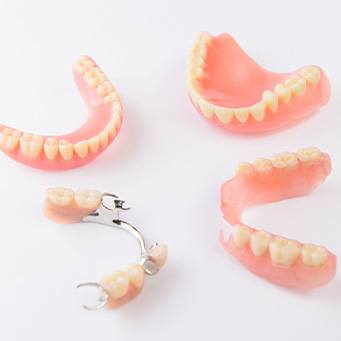
A few different factors can potentially affect the total amount due for your lifelike dentures, including:
- Any other treatments required. If you need to have remaining teeth extracted or undergo gum disease treatment before proceeding, you’ll also have to pay for those services.
- The number of teeth being replaced. Those requiring full restorations might pay more than patients getting partials due to the amount of materials used.
- The materials used to make them. Your prosthetic can be made from options like acrylic, resin, or ceramic, which can affect the total cost.
Are Implant Dentures More Expensive?
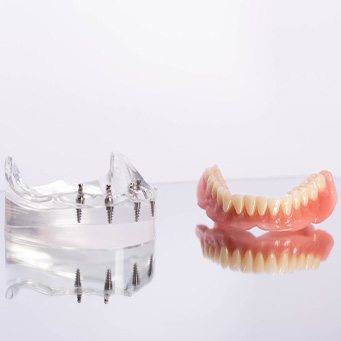
If you’re frustrated by frequently ill-fitting dentures or are seeking a more permanent and reliable solution for severe or complete tooth loss, you might be a good candidate for implant dentures. This involves placing the required number of posts into your jaw to support a customized set of teeth specially designed to anchor to them.
This process involves oral surgery and utilizes high-quality, biocompatible materials, such as titanium, so it typically costs more than getting traditional dentures. However, they often last longer and are less likely to be damaged or dislodged, helping them pay for themselves over time.
Does Dental Insurance Cover Dentures?
Many dental insurance plans cover about 50% of the cost of major restorative procedures, such as dentures. But policies can vary, and there's no guarantee this service is included, so it’s worth verifying the details of your coverage.
Furthermore, your insurance might also include different aspects of your service, such as examinations or impressions, which can help reduce out-of-pocket expenses. Our team is happy to work with you to help maximize any available benefits.
Other Options for Making Dentures Affordable
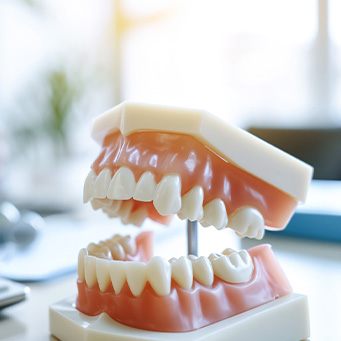
If you’re uninsured and are concerned about affording a lifelike set of replacement teeth, don’t lose hope. Our compassionate providers in Whitinsville believe that everyone deserves to enjoy the benefits of a beautifully restored smile regardless of their current financial situation, so we offer the following options to help make treatments more accessible:
- In-House Savings Plan. We offer a plan that includes routine preventive care as well as additional benefits and discounts on services that we offer, but without the same restrictions as traditional insurance, such as an annual deductible or waiting period, which must be met before benefits apply.
- Flexible Financing. We also gladly welcome flexible payment plans through CareCredit or Cherry, which allow you to divide your total invoice into more manageable installments that are paid over a designated period, often with little to no interest.
Dentures Aftercare
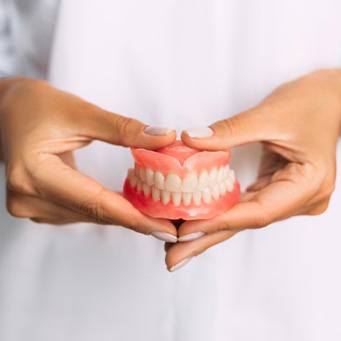
Dentures can be a great way to complete your bite and restore the functionality of your smile after tooth loss, but you’ll need to take excellent care of them if you want them to stay in great shape for as long as possible. Regular dental appointments at our office in Whitinsville will still be essential even if you have lost all your natural teeth so we can monitor your mouth for problems and address any we find while they are still in their early stages. During your checkups, we’ll also take care to evaluate your appliance, make sure it is still in great shape, and adjust or replace it as necessary. Here’s a quick guide to a few of the best ways to keep your dentures beautiful and functional for years.
Removable Dentures
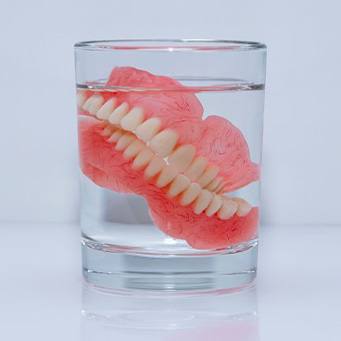
Remove after Eating
After eating or drinking anything but water, remove and thoroughly rinse your dentures to flush away loose plaque and food debris. Be sure to only use cool or lukewarm water since cold or hot water can warp your appliance and ruin how it fits.
Clean Your Restoration
At least once every day, remove your dentures for a thorough cleaning session. Begin by gently scrubbing each of the outer surfaces of your appliance with a soft-bristled brush using short, circular strokes. Mild dish soap, unscented hand soap, and approved denture cleansers are great cleaning agents, but conventional toothpaste is too abrasive and can leave scratches in your artificial teeth. If you aren’t wearing your dentures immediately after cleaning them, soak them in cool or lukewarm water or an approved denture soaking solution to keep them from drying out and warping. Be sure to thoroughly rinse your dentures before wearing them again to prevent harsh cleaning agents from being placed in the mouth.
Keep Your Dentures Safe
When you remove your dentures for cleaning sessions, it’s a great idea to fill the basin of your sink with cool or lukewarm water and cover your countertop with folded towels to create a cushion in case you drop them. It’s also important to store your dentures away from where curious pets and small children can find them when you aren’t wearing them.
Remove Dentures before You Sleep
Wearing your dentures restrictions circulation in your gum tissue, so your mouth will need to go eight hours each day without wearing your appliance so it has time to rest and clean itself. Most patients remove and soak their dentures each night before going to bed so they can reinsert their appliances first thing in the morning. Neglecting to soak your dentures in an approved soaking solution or cool or lukewarm water when not wearing them will cause them to warp.
Notice Changes
Pay attention to how your dentures look and feel as well as the state of your oral health and report any changes to the team at Whitinsville Family Dentistry. Be on the lookout for signs like soft tissue irritation, clicking or popping sounds, and indicators of oral infection like redness or swelling. If your dentures are damaged or not fitting properly, never attempt to fix them on your own. Instead, bring them to our office so we can repair or replace them as needed.
Denture FAQs

Dentures in Whitinsville have been used for generations to replace missing teeth. Although they are a tried and proven solution, it is normal to have some concerns before you are ready to commit to them. We understand you might be a little apprehensive, but you don’t have anything to fear. Here are the answers to the most frequently asked questions to feel confident in your investment.
Can I sleep with dentures in my mouth?
Your dentist will instruct you to wear your dentures for 24 hours after receiving them, but then get in the habit of removing them nightly. Although you don’t want to be caught without your teeth, your oral health and the lifespan of your denture rely on taking them out. Dentures will restrict blood circulation to your gums. Sores, inflammation, and infections can occur if the soft tissues aren't given time to receive the nutrients they need to stay healthy. Taking your dentures out before heading to bed allows your gums to recuperate. It is best to remove and clean them well before calling it a night. Don't forget to place them in an overnight soaking solution to kill any bacteria while keeping them moist as you sleep.
Do I use regular toothpaste to clean my dentures?
Although your dentures will closely mimic your real teeth, you can’t clean them the same way. Abrasive dental products can cause small scratches on your dentures, which can trap food particles and plaque. Not only can this affect their appearance, but it can also lead to odors and compromise the life expectancy of your dentures. Your dentist will recommend using a soft-bristled toothbrush and mild hand soap or dishwashing liquid to clean them. Never use hot water when cleaning or rinsing your new teeth because it can cause them to warp. You can also purchase OTC cleaning kits tailored to denture wearers.
Do dentures always cover the upper palate?
Some patients are concerned about upper dentures diminishing the taste of food if they cover the upper palate, but there are many styles to choose from. Your denture dentist in Whitinsville will learn more about your preferences during your consultation to help you choose the best type for your needs and lifestyle. As an alternative to a prosthetic that covers the palate, you can choose a style with a horseshoe shape, like those used for the lower arch or along with dental implants.
Can I still eat steak with dentures?
It is entirely possible to eat steak with dentures, but your dentist will recommend having tough meats in moderation. They put more wear and tear on your denture because they require more chewing. This can also lead to sore gums and jaw pain. If you can’t resist a juicy steak, cut it into small pieces to make it easier to chew. Although suction is all your dentures need to stay in place, an adhesive can provide added support and security when eating meats that require a lot of chewing.